
- Education
- Research & Insights
10 Offline Activities Kids Actually Enjoy and How to Reduce Screen Time Without Constant Battles
Discover 10 screen-free activities kids actually enjoy, plus practical tips on how to reduce screen time for kids without constant battles.
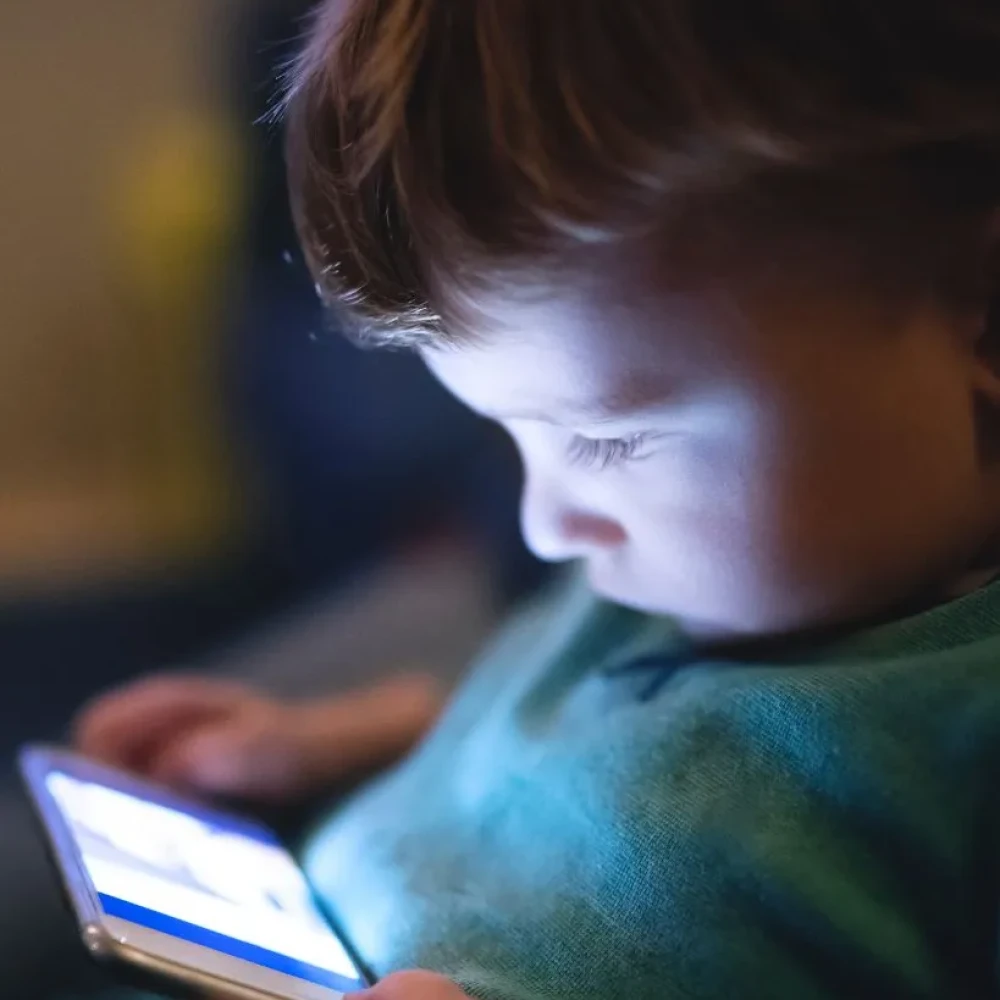
If you’ve ever tried to prise a tablet out of a small person’s hands, you’ll know exactly how that tends to go. Knowing how to reduce screen time for kids without triggering a full-scale meltdown is one of the most common challenges parents face today, and you’re far from alone in it. The good news is that this doesn’t have to be a battle. The real goal isn’t to ban screens entirely; it’s to make sure children have a rich, varied day filled with activities they genuinely love. When that’s in place, screens simply become less appealing on their own.
This guide is here to help, with ten offline activities children actually want to do, plus practical advice on building a routine that sticks.
Key takeaways
- Replacing screens with something genuinely engaging works far better than simply removing them
- The best offline activities for kids match their natural interests, energy, and imagination
- Creative, physical, and social activities build real-life skills that screens alone cannot replicate
- Performing arts is one of the most well-rounded screen-free options available for young children
- Small, consistent changes to daily routine make the biggest long-term difference
- You don’t need to plan everything yourself, structured classes can do that heavy lifting for you
Why Reducing Screen Time Matters (Without the Guilt)
Let’s be clear from the start: screens are not the enemy. They’re part of modern life, and there’s no need to feel guilty if your child watches television or plays on a tablet. The conversation around how to limit screen time without arguments starts not with restriction, but with balance.
What child development research consistently points to is the importance of variety. Children who spend large portions of their day in front of a screen can miss out on the kinds of experiences that build confidence, attention span, and social skills, not because screens are inherently harmful, but because those experiences simply require being present in the world. Eye contact, turn-taking, physical play, creative problem-solving, and face-to-face conversation are all things that happen offline.
The aim, then, is not to make children feel that something is being taken away. It’s to fill their day with enough richness that screens naturally become one option among many, rather than the default. That shift in framing makes all the difference, for children and for parents.
What Makes an Offline Activity Actually Work for Kids?
Not all offline activities are created equal. Hand a child a colouring book they didn’t choose and tell them it’s better than the iPad, and you’ll likely be met with a blank stare. The activities that genuinely capture children’s attention tend to share a few key qualities.
Choice and ownership. When children feel they’ve had some say in what they’re doing, they’re far more likely to engage with it. Even small decisions, which game to play, what to build, which song to sing, make an activity feel theirs.
Social connection. Children are wired for interaction. Activities that involve a sibling, a parent, a friend, or a group of peers carry a social dimension that screens rarely replicate in the same way.
A sense of achievement. Whether it’s finishing a drawing, baking a cake, or nailing a new dance move, children thrive on the feeling of having made or done something. That sense of accomplishment is deeply motivating.
Creativity and imagination. Open-ended activities, where there’s no single right answer, allow children to express themselves freely. This is where some of the most powerful development happens, quietly and joyfully, without them even realising it.
Keep these principles in mind as you explore the list below, and you’ll find it much easier to identify which activities are likely to resonate with your child specifically.

10 Screen-Free Activities for Kids That Feel Like Fun, Not a Punishment
1. Put on a Mini Performance at Home
There’s something magical about a child who decides they’re putting on a show. Give them a corner of the living room, a makeshift curtain, and an audience of two, and watch what happens. Performing at home, whether that’s a puppet show, a dance routine, a comedy sketch, or a dramatic retelling of their favourite story, is one of the most naturally engaging activities children can do. It builds confidence, encourages storytelling, develops memory, and most importantly, it’s completely driven by their imagination. No equipment needed. No planning required. Just space, time, and a willing audience.
2. Build a Den or Obstacle Course
A pile of cushions, a few chairs, and a blanket are all it takes to create an adventure. Den-building taps into children’s instinct to create their own space, somewhere that belongs entirely to them. Obstacle courses, meanwhile, bring in physical challenge, problem-solving, and a healthy dose of competitive spirit. Both activities require very little in the way of resources but deliver enormous amounts of engagement. They’re also wonderfully adaptable: indoor on a rainy afternoon, outdoor when the weather allows. The planning and building process is often just as exciting as the finished result.
3. Get Creative with Arts and Crafts
There’s real satisfaction in making something with your hands, and children feel that deeply. Arts and crafts don’t need to be elaborate or expensive. A few sheets of paper, some pens, glue, and whatever you can find around the house is more than enough to spark creativity. The key is to keep it low-pressure and open-ended. Avoid prescribing what the end result should look like; instead, let children experiment, make a mess, and discover what they enjoy. The process matters far more than the product, and the focus and calm that come with creative making are genuinely valuable in a child’s day.
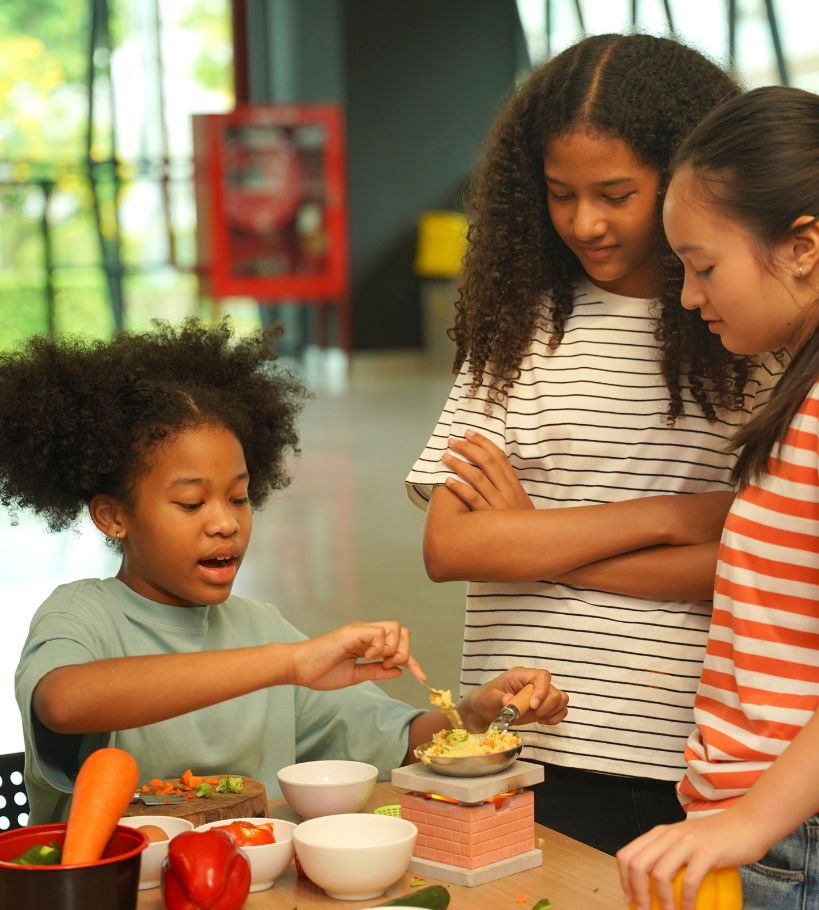
4. Cook or Bake Something Together
Baking is one of those rare activities that manages to be educational, sensory, social, and deeply satisfying all at once, without feeling like any of those things. Children who help measure ingredients are doing maths. Those who watch dough rise are doing science. And the child who eats the biscuit they made themselves? They’re experiencing a very particular kind of pride. Cooking together also creates natural conversation, shared focus, and a rhythm that feels calm and grounding. It doesn’t need to be ambitious, a batch of simple biscuits or a homemade pizza is more than enough to make an afternoon feel special.
5. Explore the Outdoors (Rain or Shine)
Time outside doesn’t have to mean a grand day out. A walk around the block, a trip to the local park, or even just some time in the garden can do wonders for a child’s mood and energy levels. Encourage them to notice things: the colour of leaves, the sound of birds, the texture of bark. Outdoor exploration develops curiosity, builds physical resilience, and provides the kind of sensory stimulation that screens simply cannot offer. On rainy days, puddles and wellies are often more than enough. The bar for outdoor adventure is much lower than we sometimes think, and the benefits are significant.
6. Play Imaginative or Role-Play Games
Role play is one of the most powerful tools in a young child’s developmental toolkit, and it looks effortless because it is, for them. When children pretend to be doctors, shopkeepers, teachers, or characters from their favourite stories, they’re practising language, exploring emotions, building empathy, and making sense of the world around them. All of this happens naturally, without any adult direction. Your role as a parent is simply to create the space for it, a box of dressing-up clothes, some props, or even just a prompt (“What if we were explorers?”) is often all it takes to set imaginations running.
7. Try a Singing or Dance Session
Put a favourite song on and see what happens. Children respond to music instinctively, they move, they sing, they express themselves in ways they might not in other contexts. A kitchen dance session or a living room singalong is one of the simplest, most joyful screen-free activities for kids, and it requires absolutely nothing in the way of preparation. Beyond the fun, the benefits of dance for young children are well-documented: improved coordination, emotional expression, body awareness, and a genuine boost to confidence. This isn’t about performance, it’s about freedom of movement and the pure delight of music.
8. Visit the Library or Start a Book Club for Two
The library is one of the most underrated destinations for children and parents alike. It’s free, it’s calm, and it opens up entire worlds. But beyond the visit itself, there’s something lovely about creating a shared reading ritual at home, a “book club for two” where you both read the same story and talk about it together. Ask your child what they think will happen next, which character they like best, or what they would do differently. Reading together builds language, imagination, and a sense of closeness. It also creates a quiet, predictable rhythm in the day that many children find genuinely settling.
9. Play Board Games or Card Games as a Family
Board games have enjoyed a well-deserved revival in recent years, and for good reason. They bring families together around a shared experience, teach turn-taking and patience, introduce friendly competition, and generate the kind of laughter that screens rarely produce. Even simple games develop strategic thinking and number skills without feeling like learning at all. For younger children, games like Snap, Snakes and Ladders, or simple memory card games are perfect starting points. As children grow, the complexity can grow with them. The connection that comes from sitting around a table and playing together is something genuinely worth protecting in a family’s weekly routine.
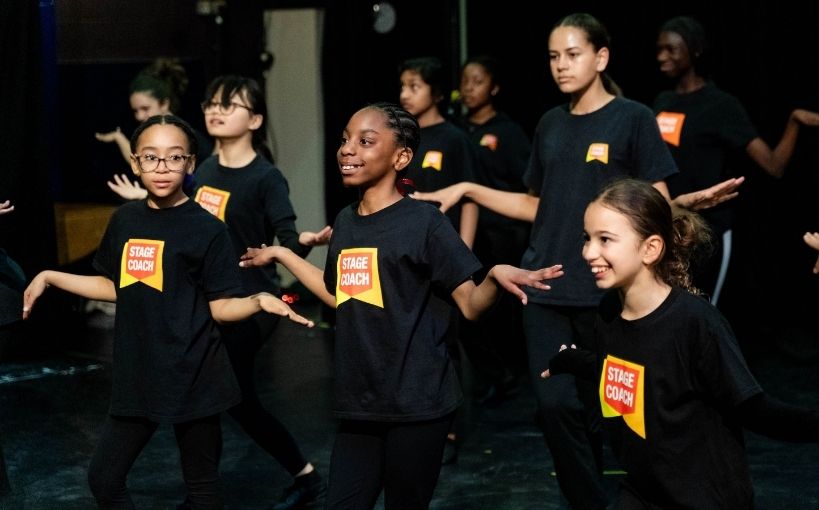
10. Join a Performing Arts Class
Of all the activities on this list, a structured performing arts class is perhaps the one that offers the most complete package — and the one that takes the least ongoing effort from parents once it’s in place. Rather than having to think up something new each week, children have a consistent, joyful creative outlet to look forward to. Performing arts classes for kids bring together singing, dancing, and acting in one place, meaning children develop a genuinely broad range of skills across every session.
What makes this particularly powerful as a screen-free activity is the combination of creativity, physical movement, and social interaction — all happening together, every week. Children build friendships with peers who share their interests, develop confidence in front of others, and learn to express themselves in ways that carry into every area of their life. For children who are naturally shy or still finding their feet socially, the group environment of a performing arts class offers a safe, nurturing space to grow at their own pace.For younger children just starting out, drama classes for 2-4 year olds and mini stage sessions are specifically designed to be age-appropriate, playful, and completely free of pressure. The structured format means children know what to expect each week, which in itself builds security and enthusiasm. It’s one of the most well-rounded activities to replace screen time, and one of the most loved.
How to Build a Screen-Free Routine That Actually Sticks?
Knowing which activities to replace screen time with is one thing, building a routine around them is another. Here’s what tends to work.
Make it predictable, not rigid. Children thrive on routine, but that doesn’t mean every minute needs to be scheduled. A loose structure, outdoor time in the morning, creative play after lunch, a story before bed, gives the day a shape that naturally leaves less room for screens to fill.
Involve your child in the planning. When children have a say in what’s on the agenda, they’re far more likely to engage without resistance. A simple weekly chart they’ve helped create, with activities they’ve chosen, can transform the dynamic entirely. This is one of the most effective ways to learn how to limit screen time without arguments, because the alternative was their idea.
Don’t try to change everything at once. Small, consistent shifts are far more sustainable than dramatic overhauls. Introduce one new activity at a time, let it become familiar and enjoyable, and build from there. Over weeks, a new rhythm establishes itself naturally.
Be present when you can. Children engage more deeply with activities when a parent is involved, even briefly. You don’t need to orchestrate everything, but showing genuine interest in what they’re doing signals that it matters. That validation goes a long way.
Anchor activities to the week. A regular class, a weekly baking afternoon, or a Friday board game night gives children something to anticipate. Anchored activities become part of family culture, and that consistency is what makes them stick long-term.
Creative Activities for Kids at Home: Where to Start?
If you’re feeling unsure where to begin with creative activities for kids at home, the most important thing to know is this: you don’t need to be creative yourself, and you don’t need to have everything perfectly planned. Children are naturally imaginative. Most of the time, they simply need the space, a few basic materials, and permission to experiment.
Start with what you already have. Paper and pens, a playlist, a cardboard box, some kitchen ingredients, these are the building blocks of genuinely engaging offline play. Follow your child’s lead rather than setting an agenda, and resist the urge to direct the outcome.
If you’d like a more structured creative outlet, one that gives your child a consistent routine without requiring you to plan it from scratch each week, a performing arts class is an excellent place to start. Everything is taken care of: the activities, the progression, the social environment, and the encouragement. All your child needs to do is turn up and enjoy it.
FAQs about Reducing Screen Time for Kids
Activities that combine movement, voice, and imagination tend to have the greatest all-round impact. Performing arts, including singing, dancing, and drama, are particularly effective because they develop physical coordination, emotional expression, and social confidence at the same time. Our Early Stages classes are designed with exactly this in mind, giving children aged 4–6 a structured but joyful space to explore all three.
How do I reduce screen time for kids without it turning into a battle?
The most effective approach is to replace screens with something genuinely engaging, not just remove them. When children have exciting alternatives to look forward to, the pull of a screen naturally fades. Think creative play, physical activity, or a regular class that gives them something to anticipate each week. The goal isn’t restriction; it’s redirection.
What are the best offline activities for kids who seem glued to their devices?
The key is finding activities that match your child’s interests and energy. Creative pursuits — like singing, dancing, acting, drawing, or building, tend to work particularly well because they’re immersive and rewarding in the same way screens can be. The more ownership a child feels over an activity, the more likely they are to engage with it willingly.
How much screen time is too much for young children?
Most child development guidance suggests limiting recreational screen time for children aged 2–5 to around one hour per day, and encouraging balance over restriction for older children. Rather than focusing solely on limits, it helps to ensure the rest of the day is filled with varied, stimulating activities, so screens become one option among many, rather than the default.
Are screen-free activities for kids actually effective at building real-life skills?
Absolutely. Offline activities, particularly those involving creativity, movement, and social interaction, are some of the most powerful ways children develop confidence, communication, resilience, and teamwork. These are skills that simply can’t be built through a screen alone, and they tend to show up in every area of a child’s life, from the classroom to the playground.
How do I get my child interested in creative activities at home without forcing it?
Start small and follow their lead. Introduce creative activities playfully and without pressure, a bit of kitchen table drawing, a silly made-up song, or a short dance in the living room. Children are naturally imaginative; they often just need the space and encouragement to explore. Structured classes can also help, as the group dynamic and a familiar teacher make creativity feel safe and fun rather than forced.
What activities can replace screen time for kids aged 4–6 specifically?
This age group thrives on movement, imagination, and social play. Activities like storytelling, role play, singing games, dancing, simple craft projects, and outdoor exploration are all fantastic options. Gentle, structured group classes, like performing arts sessions designed for young children, can also be a brilliant way to channel energy creatively while helping them build friendships and confidence at the same time.
Will reducing screen time affect my child’s mood or behaviour?
It’s normal for children to push back initially when screen time is reduced, but most parents find that once a new routine is established and engaging alternatives are in place, mood and behaviour actually improve. Children who are regularly involved in creative, physical, and social activities tend to be calmer, more communicative, and better equipped to manage their emotions.
Ready to Find the Perfect Offline Activity for Your Child?
If this article has sparked some ideas, the best next step is simply to try one. Start small, stay playful, and see what lights your child up. And if you’d like a ready-made creative outlet that takes care of the planning for you — one where your child can sing, dance, act, make friends, and grow in confidence every single week, we’d love to welcome them to Stagecoach.
Our classes are structured, age-appropriate, and designed with exactly your child in mind: a nurturing, energetic environment where children can come out of their shell at their own pace, surrounded by peers who love the same things they do. There’s no pressure, no performance anxiety, just Creative Courage for Life.
Find your nearest performing arts school.
Book a free trial class today.