Joining in confidently with group activities
Helps children feel comfortable participating alongside other children and adults.

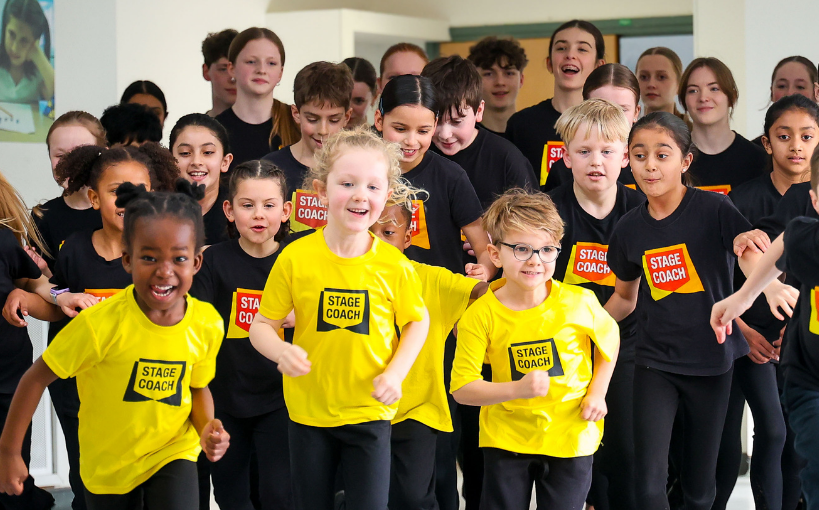
Growing with Stagecoach
From a first Mini Stages class through to advanced training, the activities, independence and level of challenge change as students grow.
The benefits of performing arts classes
Singing, dancing and acting remain at the heart of every stage. What changes is how students take part, work with other people and apply what they learn.
In singing, students listen, project and contribute to an ensemble. In dancing, they learn sequences, develop coordination and respond to direction. In acting, they explore characters, scripts, improvisation and storytelling. Across all three disciplines, progress comes through rehearsal: attempting something, receiving guidance, adjusting it and trying again.
The activities become more demanding as students grow, but the underlying process remains practical. Students work independently and with other people, remember their contribution and help create something the group can share.
Mini Stages Ages 2–4
Classes take place in a comfortable, relaxed environment where children and their grown-ups can join in together.
Helps children feel comfortable participating alongside other children and adults.
Develops listening, concentration and recall through engaging games and structured activities.
Builds balance, body control and physical confidence in a fun, supportive environment.
Early Stages Ages 4–6
Children explore singing, dancing and acting through age-appropriate activities that encourage imagination, listening and participation.
Supports school readiness by developing focus, listening skills and the ability to follow directions.
Encourages imagination and self-expression while helping children develop confidence in their ideas.
Helps children think creatively, make decisions and approach challenges with confidence.
Main Stages Ages 6–18
Students work across singing, dancing and acting, contributing ideas while learning how their individual part supports the whole group.
Develops self-assurance when presenting, contributing in class and expressing opinions clearly.
Builds resilience through rehearsal, direction, practice and trying another approach.
Helps students collaborate, support others and contribute positively towards shared goals.
Further Stages Ages 15+
Older students work with greater independence and responsibility as they develop their technique across singing, dancing and acting.
Develops professional communication skills and confidence in formal and high-pressure situations.
Encourages self-awareness, reflection and ownership of personal development.
Builds resilience, flexibility and confidence when facing change or uncertainty.
Creative Courage for Life
What students practise in class can travel much further.
Stagecoach gives students somewhere to express themselves beyond the classroom—and the skills they develop can help them contribute, communicate and take responsibility away from it too.
Some students continue into full-time creative training, supported by the skills they developed and the relationships they formed at their local Stagecoach school.
For students who want them, professional opportunities can introduce self-tapes, camera work, auditions and experience of working with creative teams.
Find your local Stagecoach
Search by town or postcode to see classes, times and availability at your nearest Stagecoach schools.
Find your nearest Stagecoach